Litchfield Park, AZ
Slab Leak Repair in Camelback Road Area
Newer homes on the city’s northern edge still get slab leaks.
Slab Leak Repair in the Camelback Road Area: the Problem on the North Side
A call for slab leak repair in Camelback Road Area homes often starts with surprise. These are the newer subdivisions on the north side, built in the 1990s and 2000s, and owners do not expect plumbing trouble this soon. But newer does not mean immune: fittings can fail, expansive soils still shift young slabs as they settle, and hard desert water works on every metal line from the day it is installed. Add long summer heat soaking the ground, and even well-built homes develop leaks. That is why leak work in these homes starts with detection, not assumptions about age. One call connects you with experienced local pros who know these north-side subdivisions. Call (623) 283-3265 and describe the signs.
The Homes Here on the North Side
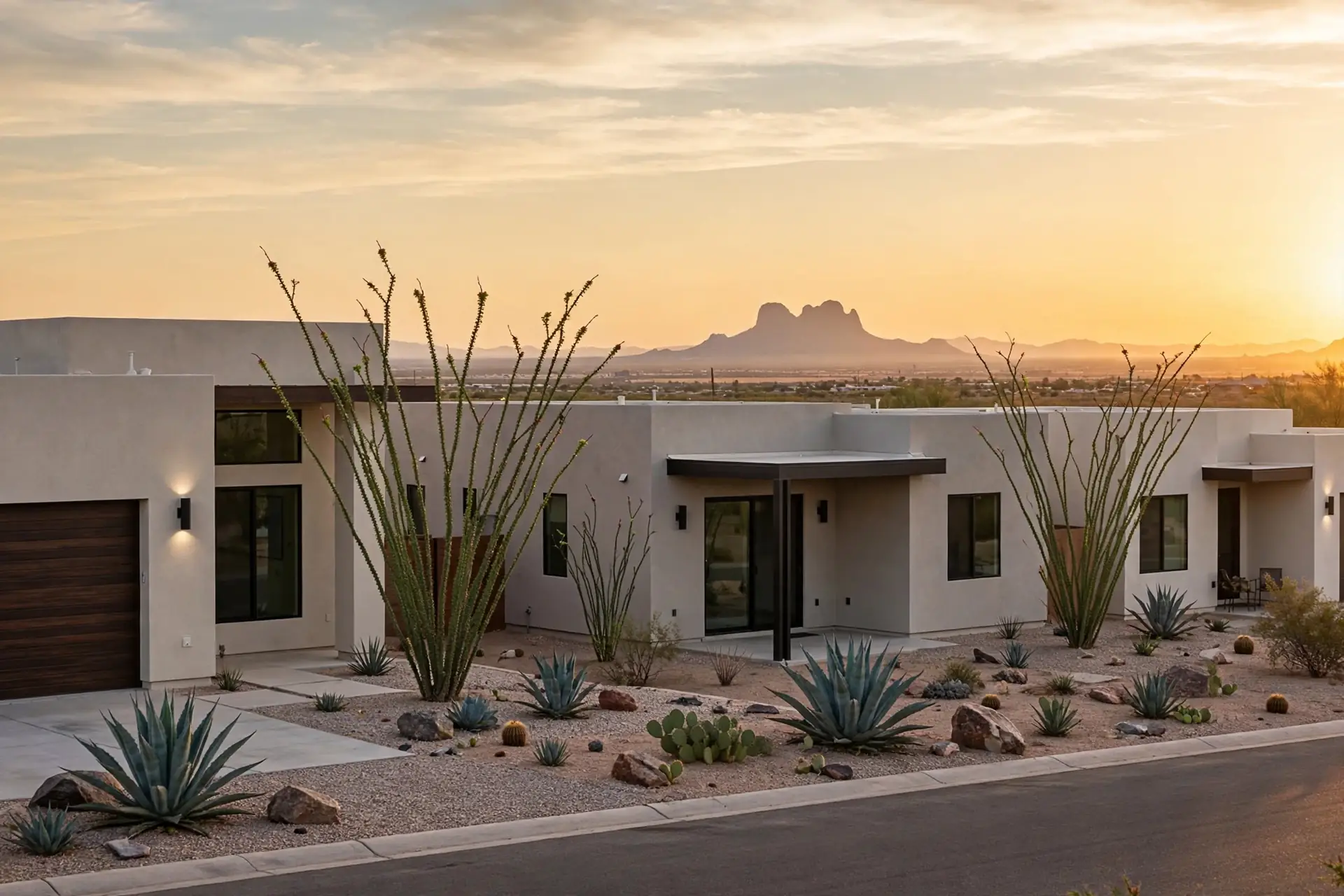
The Camelback Road area holds the newer subdivisions on the north side of Litchfield Park, built through the 1990s and 2000s in desert styles that suit the setting, with mountain views from many streets. Floor plans run large and open, often with two stories over a slab ground floor, great rooms flowing into kitchens, and primary suites placed for privacy at a distance from the garage and its water heater. Those long hot-water runs cross generous stretches of slab, which is worth knowing when a warm patch appears.
Construction here mixes materials by era and builder. Earlier phases typically ran copper beneath the slab with home-run or trunk-and-branch layouts, while later phases leaned toward PEX for distribution. Copper brings the familiar vulnerabilities of hard water and soil movement; PEX shifts the risk to fittings and connections. Either way, the lines enter from the street-side meter and fan out under the concrete, and knowing which material feeds which wing of the house shapes every diagnosis on this side of the city.
Lots are typical subdivision parcels with desert-friendly planting, patios, and drip irrigation feeding the landscaping. Those irrigation lines run shallow near the foundation and can mimic a slab leak when they break, so wet soil near the house always gets checked against the irrigation zones first. Because the houses are young but the desert is not gentle, local technicians treat age as one clue among several, never as a reason to rule a leak out.
What Usually Goes Wrong Here
The most common reason for leak calls from these streets is a fitting that gave out early. In newer plumbing, the pipe itself is often sound while a single connection, stressed by installation torque, a manufacturing flaw, or soil shifting as a young slab settles, starts to weep. One bad fitting can waste remarkable amounts of water while showing nothing indoors.
Expansive desert soils are the second factor. These subdivisions sit on ground that swells with seasonal moisture and shrinks in the dry heat, and even well-compacted fill moves a little in the first decades. That movement tugs at rigid lines and their fittings, and the stress concentrates where pipes turn up through the slab to reach fixtures.
Heat does the rest. Extreme summer temperatures bake the ground around and under the slab, and hot-water lines run warm for months on end, aging their fittings faster than the cold side. Meanwhile drip irrigation, the quiet background of every desert yard here, breaks often enough that its wet spots must always be ruled out. Not every damp patch near the foundation is a slab leak, which is why detection leads and repair follows on every job here.
Slab Leak Detection in the Camelback Road Area: What the Technician Checks First
Because youth is not immunity, detection here starts from the signs, not the build year. The technician takes your description, then runs the meter test with everything off; a meter that will not rest means water is escaping.
Irrigation zones are isolated next, since drip lines are the most common mimic on the north side. With the yard cleared, acoustic listening searches for the sound of water under concrete, and thermal imaging looks for the warm signature of a hot-side leak across the tile or stone floors common in these homes.
Pressure tests then divide the system, confirming whether copper or PEX is losing water and in which wing of the house. Fittings get special attention in newer homes, since a single failed connection is the usual suspect. The result is a precise location, which is the whole point of detection in these homes: keep any repair opening small and the disruption brief.
What a Call Looks Like, Start to Finish
A slab leak repair call in the Camelback Road Area is straightforward from the first ring. Someone answers the phone 24 hours a day, 7 days a week. You describe the signs in plain words, mentioning anything about the irrigation or the age of the home. The service connects you with an experienced local pro who works the north-side subdivisions. Detection comes first: meter, irrigation isolation, acoustic and thermal tracing, then pressure testing to name the failing line or fitting. Then the options, which range from a targeted repair of the failed fitting to a reroute or repipe if the pattern suggests more trouble ahead. Your options are explained before any work begins. Ask the pro about the workmanship guarantee on their work. Same-day and emergency dispatch are available where the schedule allows.
Nearby Areas and Related Services
If you are seeing the early warnings, signs of slab leak lists what to watch for, and persistent warmth underfoot is explained under hot water slab leak. Homes with repeat failures can weigh a repipe after slab leak. Older parts of the city are covered by slab leak repair in Old Litchfield Park and slab leak repair in Litchfield Park City Neighborhoods. The main Litchfield Park slab leak page covers the whole city.
Frequently Asked Questions
Yes. Two decades of hard water, shifting soils, and summer heat are enough for fittings to fail, even when the pipe itself looks young. Age lowers the odds but never removes them. If the signs are there, a detection visit answers the question without opening anything.
Very possibly, and that is the first thing to check. Drip lines break quietly and soak the soil near the foundation, which looks alarming but is not a slab leak. The technician isolates each irrigation zone while watching the meter; if the water use stops, the yard is the culprit. Only when the yard is cleared does the search move under the slab.
A water bill that climbs for no reason is usually first, since small leaks drain away unseen. After that come warm patches on hard floors, the sound of running water when everything is off, and damp spots that return after drying. Any one of them is worth a call to (623) 283-3265.
When leaks keep returning, a repipe replaces the failing system instead of chasing the next weak point. It is also worth discussing when the under-slab lines are hard to reach or the home's layout makes reroutes simple. The technician lays out both paths before any work begins, so the decision is yours, with repair options explained plainly.
Start with the phone call: ask how they detect leaks, how they rule out irrigation, and what happens before anything is opened. A slab leak plumber Camelback Road Area homeowners reach through this service is an experienced local pro familiar with these north-side subdivisions, and those answers come before any appointment.
No. The meter test, acoustic listening, thermal imaging, and pressure tests are all non-invasive and happen without opening floors or walls. Most visits feel like a careful walkthrough with specialized equipment. Disruption only enters the picture if a repair is needed, and precise detection keeps that small.
Note exactly which tile and check whether the warmth follows a line toward the water heater. Avoid running hot water for a while so the pattern stays readable, then call (623) 283-3265. Thermal imaging during a detection visit in a home like this can trace that warmth to its source quickly.
Yes, around the clock, holidays included. Leaks do not check the calendar. Call (623) 283-3265 any time and you will reach help without waiting for business hours.
Slab Leak Repair in the Camelback Road Area: talk to a local pro today
Describe the signs in your home near Camelback Road and get connected with a local pro. Calls answered 24/7.
Talk to a north-side proCall (623) 283-3265.