Litchfield Park, AZ
Slab Leak Repair in Litchfield Park City Neighborhoods
Ranch-era copper under the city’s classic neighborhoods.
Slab Leak Repair in Litchfield Park City Neighborhoods: the Problem Under the Ranches
Calls for slab leak repair in the Litchfield Park City Neighborhoods tend to arrive in waves, and there is a reason. These neighborhoods went up street by street in the 1960s, 1970s, and 1980s, so the copper beneath their slabs is all reaching leak-prone age together. When one ranch on a block springs a pinhole, neighbors start watching their own water bills, because their lines were installed in the same era with the same building practices. That shared history is why leak work on these streets starts with detection: finding the exact line before opening anything. Your call connects you with experienced local pros who know these ranch floor plans by heart. Call (623) 283-3265 and tell them what you are seeing, from a warm tile to a bill that makes no sense.
The Homes Here in the City Neighborhoods
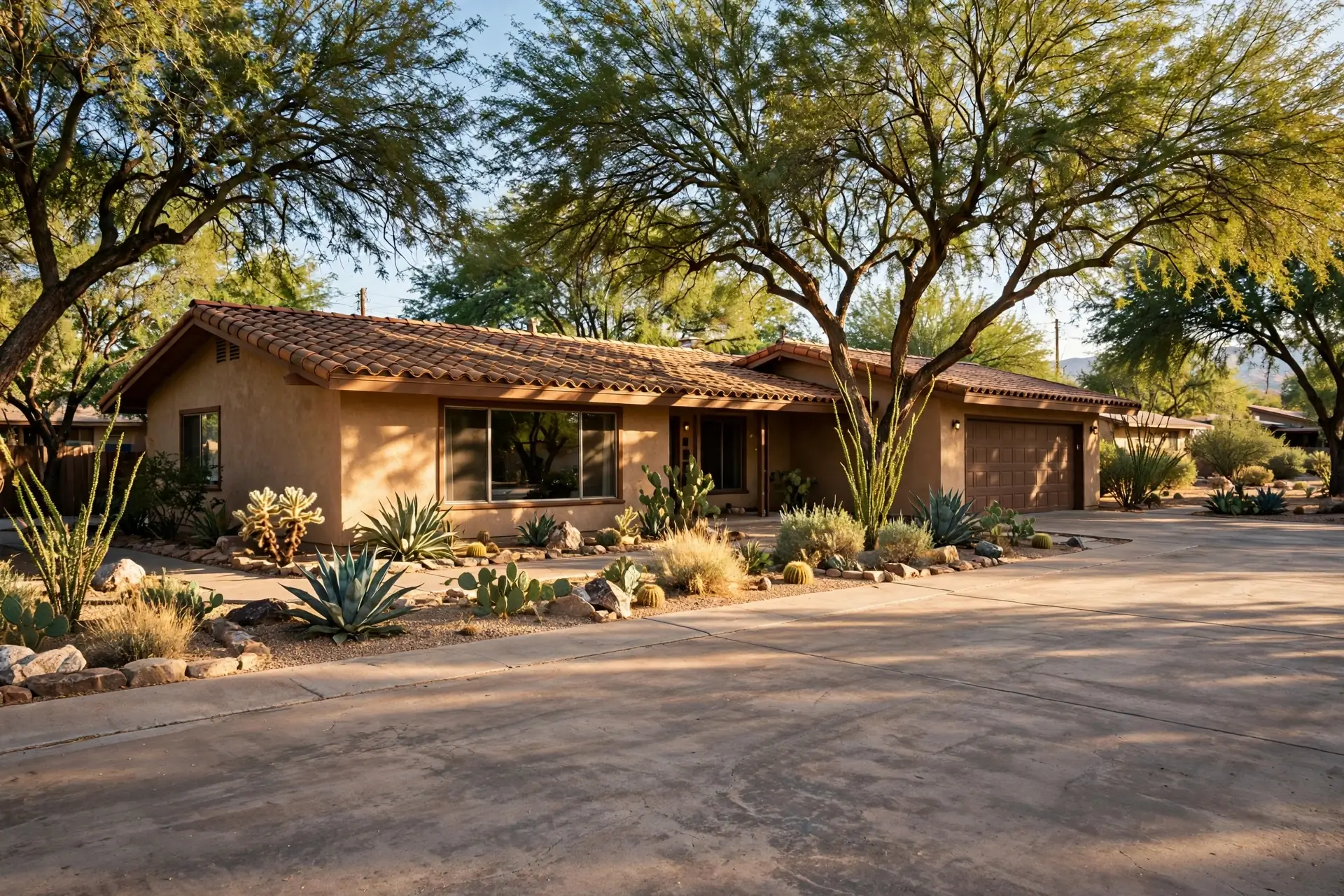
The city neighborhoods are the Litchfield Park most people picture: single-story ranch homes from the 1960s to the 1980s, many with tile roofs, sitting on generous lots beneath mature trees that shade the streets. Floor plans repeat with small variations, three bedrooms, two baths, the kitchen and laundry lined along one side, which means technicians often know the pipe layout before they arrive. The water service enters from the street-side meter and the copper branches run beneath the slab to each fixture, a simple and sturdy design that has now had decades to age.
That shared birthday shapes every repair plan here, because copper installed in the same decade tends to fail in the same ways. Hard desert water has been moving through these lines for decades, thinning the metal from the inside, and expansive soils have spent the same decades swelling and settling beneath the slabs. Most homes here have never been repiped, so the under-slab copper is original, and original lines at this age sit squarely in the years when pinholes appear.
Lots here are roomier than in the historic core, with side yards, patios, and lawns fed by irrigation lines that run near the house. Those yard lines matter because a wet spot near the foundation is not always a slab leak; irrigation can mimic the same sign. The mature trees are part of the character, their canopies cooling the roofs through the brutal summers. Because the homes are so alike, local technicians read the floor plan first and the exceptions second.
What Usually Goes Wrong Here
The leading cause behind calls from these streets is copper reaching leak-prone age. Decades of hard water wear pinholes into the pipe wall, usually at elbows or where the line turns up through the slab, and the first evidence is a water bill that drifts upward with no change in household use.
A second pattern is the hot-water line failing before the cold. Those runs stay warm around the clock, and the constant heat ages the copper faster, which is why a warm patch on the tile in a hallway or bedroom is such a classic sign in these ranches.
Soil movement adds the third ingredient. Expansive desert soils swell with seasonal moisture and shrink back in the dry months, and that slow heaving stresses rigid copper and its fittings year after year. Past owners sometimes patched one leak without addressing the rest of the aging line, so a second leak a year later is common. And as ever, not every wet spot is a slab leak: with lawns and planting beds on irrigation, a broken yard line can look identical from above, so detection tells the truth before any floor is opened, which is standard practice for leak work here.
Slab Leak Detection in Litchfield Park City Neighborhoods: What the Technician Checks First
Because these homes are so similar, detection in these ranches follows a proven sequence. It starts with your account of the signs and a look at the meter with everything off; a meter that will not sit still means water is escaping somewhere.
Acoustic equipment listens for the hiss of a leak under concrete, and thermal imaging traces the warm path of a hot-side break across the floor. The technician knows these ranch layouts, so the search moves quickly from room to room along the expected pipe runs, which is part of why detection visits stay focused. Pressure tests then isolate the hot and cold lines to confirm which one is losing water.
Finally, the yard gets its due. Irrigation lines and hose bibbs are checked so a lawn leak is not mistaken for a slab leak. Only when the evidence points beneath the slab does the conversation turn to repair, and by then the location is precise enough to keep the work area small.
What a Call Looks Like, Start to Finish
A slab leak repair call in the Litchfield Park City Neighborhoods follows a simple path. The phone is answered around the clock, every day, and you explain the signs in your own words. The service connects you with an experienced local pro who knows these ranch neighborhoods, and the technician pinpoints the leak with detection equipment before discussing fixes. Options may include a targeted spot repair, a reroute that abandons the failing line, or a whole-home repipe for houses with repeat leaks. You will hear each option explained before anything is scheduled. Ask the pro about the workmanship guarantee on their work. Same-day and emergency dispatch are available where the schedule allows. From the first ring to a clear plan, the process stays a straightforward call.
Nearby Areas and Related Services
A confirmed break can be fixed with slab leak repair, bypassed with a slab leak reroute, or, for homes with repeat failures, addressed once with a repipe after slab leak. The historic streets are covered under slab leak repair in Old Litchfield Park, and slab leak repair in Indian School Road Area serves the subdivisions to the south. Start from the main Litchfield Park slab leak page for the full picture.
Frequently Asked Questions
It means the copper is all the same age, and age is the main factor. When one home on a 1970s street develops a pinhole, it is sensible for neighbors to watch their water bills and floors, because their lines have faced the same decades of hard water and soil movement. Detection, not worry, is the right response for households here: a meter check takes minutes.
A warm patch on the floor is one of the classic signs of a hot-water line leaking beneath the slab. It is not proof on its own, since sun through a window can warm tile too, but it is worth a detection visit. Thermal imaging can trace the warmth to its source and confirm whether it follows a pipe run.
Tree roots are not the usual cause of leaks in under-slab copper; age, hard water, and shifting soils are the main drivers. Roots can disturb shallow yard lines, though, which is one more reason detection matters: it confirms the leak is actually beneath the slab before anyone talks about repair.
A spot repair fixes the single leaking section, usually by opening the slab at the precise location. A reroute abandons the failing under-slab line and runs a new line overhead or through walls instead. A repipe replaces the home's water lines more broadly, which suits houses with repeat leaks. The technician explains which fits your situation before work begins.
Look for straight answers on the phone: how the leak will be located, what the options are, and what happens before anything is opened. A slab leak plumber Litchfield Park City Neighborhoods homeowners reach through this service is an experienced local pro who knows these ranch layouts and answers those questions first.
No. Detection is non-invasive: meter checks, acoustic listening, thermal imaging, and pressure tests all happen without opening anything. The whole point is to find the leak precisely so that any repair work that follows stays as small as possible.
That is a textbook hidden-leak pattern, and a slab leak is one possible cause. Start with the meter test: turn everything off and watch the meter. If it moves, call (623) 283-3265. The technician will determine whether the water is escaping under the slab or somewhere else, such as an irrigation line.
Yes, the phone is answered 24/7, weekends included. Homeowners here can call (623) 283-3265 any time and be connected with an experienced local pro.
Slab Leak Repair in Litchfield Park City Neighborhoods: talk to a local pro today
Describe the warm spot or rising bill in your ranch and get connected with a local pro. Calls answered 24/7.
Ask about your ranch-era homeCall (623) 283-3265.